
Lisbon's Slow Renaissance: The City Refusing to Be Rushed
A long-form dispatch from Lisbon — the tile workshops, the new wave of design hotels, and a city deliberately resisting its own boom.

Noor Hadid
Editor-at-Large
Published
Jun 9, 2026
Last Updated
Jun 11, 2026
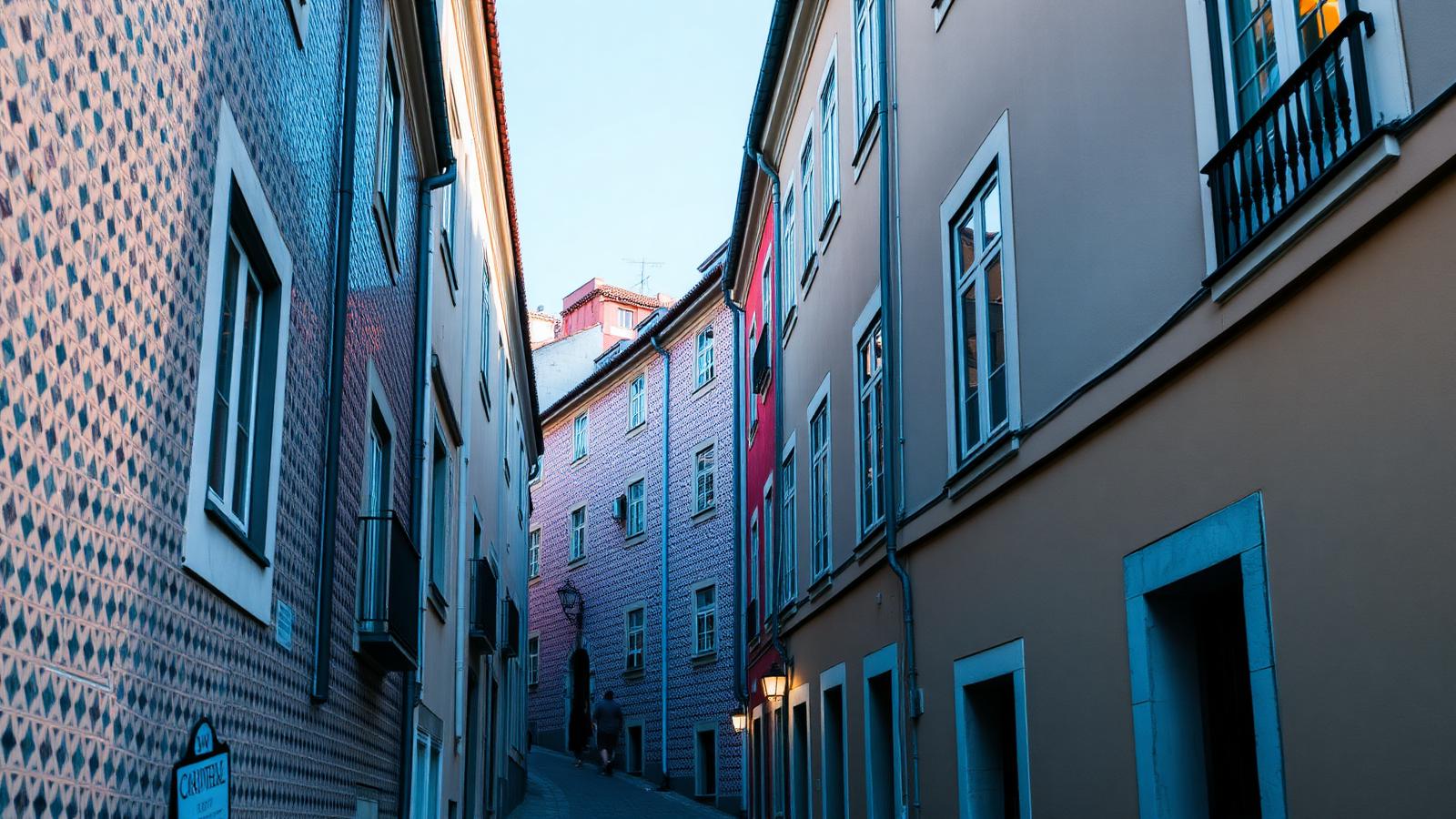
It's six in the evening at a tile workshop in Madragoa and Joana Vasconcelos is explaining, between cigarettes, why she refuses to scale up. "Faster doesn't help anyone," she says, sliding a glazed azulejo off the kiln rack. "The mistake people make about Lisbon is assuming the boom means we want to be Barcelona."
That sentence — said with a half-smile, said with no defensiveness — is the closest thing I have to a thesis for the city Lisbon has become in 2026. It is in the middle of its most consequential decade in a century. The population is shifting, the housing market has nearly doubled, the design hotels are arriving by the season, the new tram lines are running, and the city itself is deciding, deliberately, not to be rushed.
The boom Lisbon almost regrets
The numbers are the headline. Foreign-direct investment in Portuguese hospitality has tripled since 2019. The Golden Visa program, before its 2023 reform, brought several billion euros of property capital. Tourism receipts for the city of Lisbon alone exceeded €5 billion in 2025 — more than triple the 2014 figure. Rents in central arrondissements have risen 60–80%. Lisbon's renaissance is real.
But sit at any miradouro at 8pm and you'll feel the other side of it. The Portuguese word saudade — that untranslatable mix of longing and grief — turns up in conversation more than it used to. The bakery on Rua de São Bento where I used to buy pão de queijo is now a Pilates studio. The grandmother who ran the corner shop on Rua das Janelas Verdes left for Almada in 2022. The neighborhood she grew up in is functionally a hotel.
The hotels that get it right
The encouraging story is that the best of Lisbon's new hospitality understands the problem. Verride Palácio Santa Catarina, a 16-room hotel set in an 18th-century palace above Bairro Alto, didn't paint over the original frescoes — it commissioned local artisans to restore them. Memmo Príncipe Real, opened in 2017 and quietly the city's best mid-market property, runs the in-house restaurant with a Portuguese-only menu and wine list. Lumiares, in Bairro Alto, employs 70 people, all but four of them locally hired.
These properties feel different because they are different. They were built by people who view themselves as custodians of a neighborhood that's being asked to change too fast — and who saw a business opportunity in resisting the velocity. The opposite, the identikit Marriott-and-Hilton blocks rising along Avenida da Liberdade, are commercially successful but culturally invisible. Five years after opening, no one is writing essays about them.
What the tile workshops know
Back at Joana's studio in Madragoa, the kiln cycles through. She's been making azulejos for 23 years. Her family has been in tile in Lisbon for four generations. "The hotels come to us now," she says. "They want the floors. They want the kitchens. Sometimes they want the bathrooms — every single bathroom — in tile we made by hand."
I ask if she'll scale up to meet demand. She laughs. "If I scale up, the tiles will look like everyone else's tiles, and then no hotel will want them." It's the perfect small Lisbon parable. The city's value to travelers in 2026 — and to the people who live in it — is the thing it refuses to standardize. The fado bar that won't take Visa. The neighborhood deli that still closes at 1pm for lunch. The conversation that runs an hour over its allotted time because the espresso came late and nobody minded.
Where this leaves the traveler
Get to Lisbon. Get to it now if you can. Stay in Príncipe Real or Madragoa or one of the boutique places in Chiado — properties run by people who live in the building. Eat in the neighborhood restaurants that don't have English menus. Walk to the miradouros in the late afternoon. Take the slow tram. Drink the white port at room temperature, as the local elders insist. Book a Lisbon stay at a hotel that treats the city as a place to live, not a backdrop to photograph.
And then come back five years from now to see whether Lisbon won.
Further reading on TravelBlogs
Sources & further authority
Ready to plan this trip?
Our editors recommend you book a Lisbon stay with a trusted partner that compares hotel deals worldwide.
Related Reading

Maldives Island Living
On remote Maldivian archipelagos, the sustainable future of luxury travel, and what the best overwater villas are quietly getting right.

Midnight in Mayfair
London's most prestigious district is undergoing a nocturnal revolution — late-night dining, members' clubs and a softer kind of glamour.

Canada's Untracked Frontiers
A long-form dispatch from the Canadian Rockies — silence, scale, and the lodges quietly redefining wilderness travel.