
The Art of Island Living: A Maldives Retrospective
On remote Maldivian archipelagos, the sustainable future of luxury travel, and what the best overwater villas are quietly getting right.

Noor Hadid
Editor-at-Large
Published
Feb 18, 2025
Last Updated
Apr 4, 2026

It is the silence that you remember. Not the impossible blue of the lagoon, not the bone-white sand under the villa stairs, not even the manta that lifts out of the channel at dusk like a slow black aircraft — the silence. The Maldives is one of the few places on earth where you can still hear the geometry of your own breath, and that, finally, is what the overwater villas are selling.
I have been visiting the archipelago for nine years, on assignment and off, and the country I came back to in spring was not quite the one I had left. The new generation of resorts has stopped competing on thread count and started competing on something rarer — restraint, ecology, the quiet integrity of letting a reef be a reef. To understand the future of luxury Maldives overwater villas you have to first understand what the islands have decided to leave out.
Arriving by seaplane, and the moment before
The seaplane is the first piece of theatre. You board barefoot, the pilots wear cargo shorts, the cabin smells faintly of aviation fuel and frangipani, and the Twin Otter lifts off the Malé lagoon like a tin can with intentions. For forty minutes you are suspended over a watercolour — atolls scattered like punctuation, lagoons in every shade between turquoise and ink. Then the plane banks, drops, and the surface comes up to meet you. By the time the door opens onto the floating pontoon you are somebody slightly different.
Most first-time travellers arrive in the Maldives during the dry monsoon — late November through April, when the seas flatten and the sun behaves. The shoulder months (May, October, early November) are the editor's secret: shorter, sharper storms, fewer guests on the sand, villa rates 25–40% softer. The reefs do not care about your booking calendar.
Soneva, and the case against thread count
Soneva Fushi was, in 1995, the resort that taught Asia what barefoot luxury could mean. Three decades later, it is still the one against which everything else is measured — not for opulence (the Cheval Blanc villas are larger, the new Patina suites more architectural) but for moral seriousness. The resort runs an on-island recycling plant, a glass-blowing studio fed by its own waste bottles, a chocolate room, a permaculture garden, and a marine biology team that you can dive with at dawn. The bicycle is the only vehicle on the island. The villa light switches are wooden.
What Soneva understood, and what its imitators are still chasing, is that the Maldives does not actually need luxury. It already has the lagoon. The job of a good resort is to disappear into it. The best villas I have ever stayed in were unfussy — fan, hammock, deck stair, reef — and they cost more than the gilded suites next door because the restraint was harder to design.
The atolls, plainly
The Maldives is a country of 1,200 islands grouped into 26 natural atolls. Most travellers see one. Knowing which one is the difference between a postcard and a place.
- North & South Malé Atoll — 30-minute speedboat from the airport, no seaplane premium. Mature resorts, excellent house reefs, the best value for a first Maldives trip. Anantara Dhigu, COMO Cocoa Island, Velassaru.
- Baa Atoll — UNESCO biosphere reserve. Manta-ray season at Hanifaru Bay, June through November, is one of the great wildlife spectacles. Soneva Fushi, Four Seasons Landaa Giraavaru, Vakkaru.
- South Ari Atoll — whale sharks year-round, peak August to November. Conrad Rangali, Lily Beach, Diamonds Athuruga.
- Noonu, Raa, Lhaviyani — the quieter northern frontier. Soneva Jani, Cheval Blanc Randheli, Joali. Seaplane transfers are longer; the compensation is that the lagoons feel newly discovered.
- Laamu, Gaafu Alifu, Addu — the deep south. Surf breaks, dive walls, almost no other resort lights on the horizon. Six Senses Laamu, Park Hyatt Hadahaa.
Overwater, beach, or both
The honest answer: both. Three nights overwater, four nights beach, on the same island. The overwater villa is theatre — the deck stair into the house reef at dawn, the glass floor panel in the bedroom, the lagoon at 2 a.m. when you cannot sleep and walk out barefoot to a sky you forgot existed. The beach villa is what you actually live in — wider, cooler, with a hammock under the palm and a small plunge pool fed by a coconut spout.
Resorts will not advertise the split, because they earn more on the overwater nights. They will, however, accommodate it if you ask at booking. To run the numbers and compare hotel deals worldwide, look for resorts that publish cross-category rates in the same booking engine — Soneva, Six Senses, COMO, Anantara all do.
Sustainability, and what the islands are quietly getting right
The Maldives sits, on average, two metres above the sea. The country has more skin in the climate question than almost any other, and the better resorts have started to behave like it. Patina Maldives runs a closed-loop water system. Soneva Jani bans imported beef and bottled water entirely. Six Senses Laamu's marine conservation team has been tagging mantas for a decade. Even the seaplane fleet is slowly converting to sustainable aviation fuel.
The travellers I know who come back happiest are the ones who arrive ready to leave a smaller footprint than they did the year before. Refuse the plastic bottle. Choose the speedboat when both options exist. Dive without sunscreen, or with reef-safe brands only. Touch nothing. The reef will outlast all of us only if we decide it should.
What a week costs, honestly
- Mid-tier overwater villa, green season: US$800–1,500/night with half-board.
- Flagship resort, peak season: US$3,000–6,000+ per night, all-inclusive optional from US$400 per person extra.
- Seaplane transfer: US$500–700 per person each way.
- Speedboat transfer (close atolls): US$200–350 per person each way.
- Dive package, 6 dives: US$650–900 per person.
Coming home
The hardest thing about the Maldives is leaving it. The plane that takes you out of Malé is the same one that brought you in, and somewhere over the Indian Ocean you will look down and try to remember which atoll was yours. You will not be able to. It is the country's last small trick — every island, in the end, looks like every other, and that, the silence and the geometry and the impossible blue, is what sends you back. When you are ready, plan and book your trip with someone who knows which lagoon is worth the seaplane.
Frequently Asked Questions
When is the best time to visit the Maldives?expand_more
How many days do you need in the Maldives?expand_more
Are overwater villas worth the price?expand_more
Which atoll should I choose for my first Maldives trip?expand_more
Is the Maldives only for honeymooners?expand_more
How expensive is a Maldives trip, really?expand_more
What's the most sustainable way to visit?expand_more
Further reading on TravelBlogs
Sources & further authority
Ready to plan this trip?
Our editors recommend you book Maldives overwater villas with a trusted partner that compares hotel deals worldwide.
Related Reading

Midnight in Mayfair
London's most prestigious district is undergoing a nocturnal revolution — late-night dining, members' clubs and a softer kind of glamour.

Canada's Untracked Frontiers
A long-form dispatch from the Canadian Rockies — silence, scale, and the lodges quietly redefining wilderness travel.
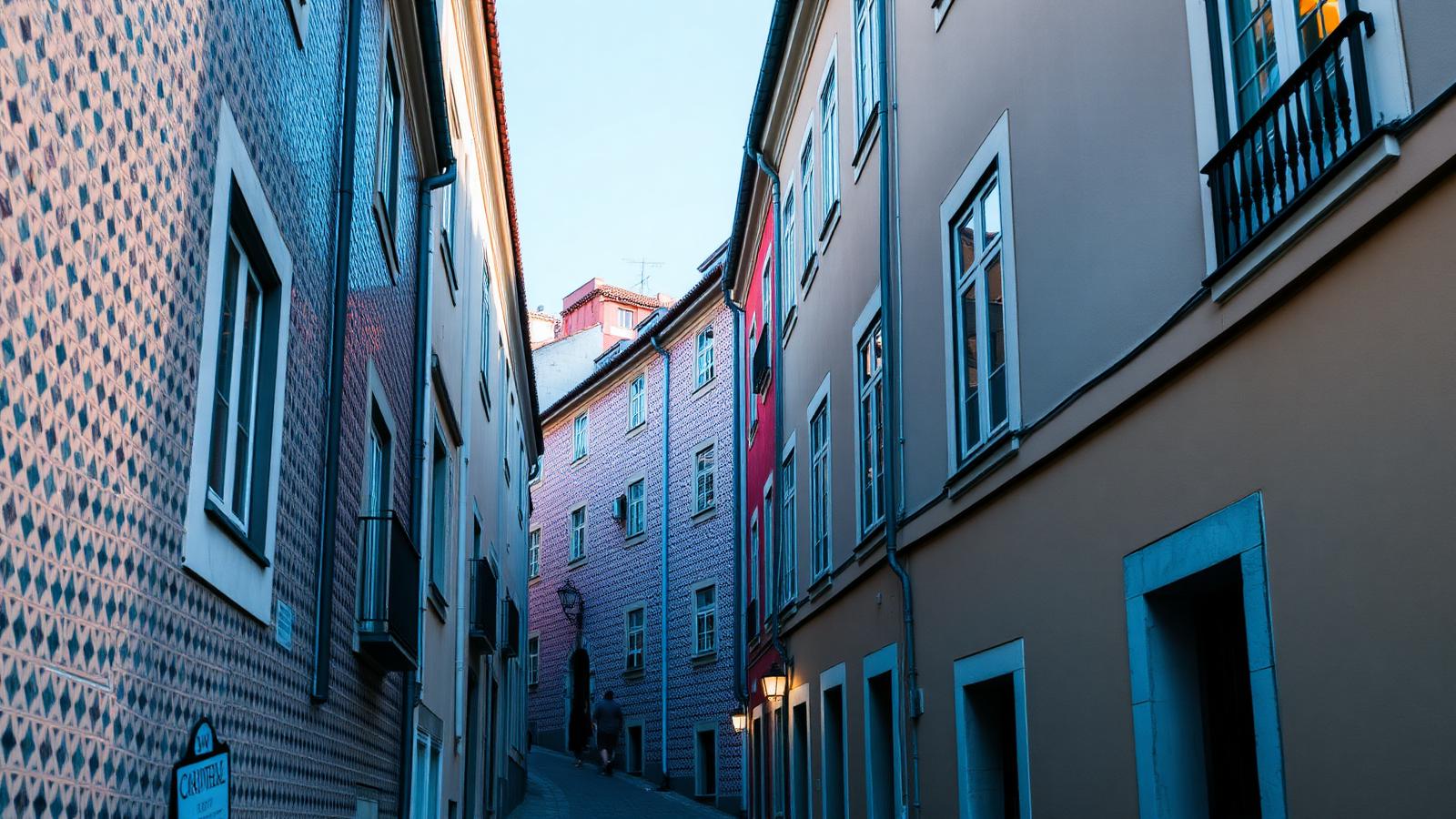
Lisbon's Slow Renaissance
A long-form dispatch from Lisbon — the tile workshops, the new wave of design hotels, and a city deliberately resisting its own boom.