
Beyond the Glacier: Canada's Untracked Frontiers
A long-form dispatch from the Canadian Rockies — silence, scale, and the lodges quietly redefining wilderness travel.

Noor Hadid
Editor-at-Large
Published
Jan 25, 2025
Last Updated
Mar 18, 2026

The first thing the Canadian Rockies do to a person is they enlarge the scale of the available silence. You step out of the rental at Bow Lake at six in the morning, the surface still glass, the ridge above you still rose-and-grey from sunrise, and you realise you have not heard a man-made sound in eleven minutes. It is not absence. It is presence — the country, declaring itself.
I have been driving the Icefields Parkway between Banff and Jasper for nineteen years, on assignment and off, and the most interesting thing happening in Canadian wilderness travel right now is happening off the road. A new generation of lodges — some old buildings reawakened, some genuinely new — are quietly re-defining what a Rockies trip can be. They are not trying to impress you. They are trying to get out of the way of the country.
The corridor everyone drives, and what most people miss
Banff–Lake Louise–Icefields Parkway–Jasper is the great Canadian set piece, and it deserves the reputation. The Icefields Parkway alone — 232 kilometres of two-lane blacktop between the Continental Divide and the Athabasca Glacier — is one of the world's three or four most beautiful drives. Peyto Lake at first light. The Columbia Icefield approach at noon, the road cutting through a valley so wide it bends perspective. Athabasca Falls at four. Maligne Lake at dusk.
The catch — and the reason a new generation of travellers has started to question the trip — is that, in July and August, two million other people are doing the same drive. Lake Louise and Moraine Lake are now reservation-only. The pull-outs on the Parkway queue. The country is still there, but you have to work harder to see it without other people in the foreground.
Off the road
The answer that the better travellers I know have arrived at is the same: get off the road for at least two nights. The Rockies have a quiet history of backcountry lodges accessible only by hike, ski or helicopter, and the wave of renovation that started around 2019 has brought several of them up to a standard that would not embarrass a European mountain lodge.
- Skoki Lodge — built 1931, 11 km hike from Lake Louise, no electricity, kerosene lamps, three-course meals, the silence after dinner that you will think about for years.
- Shadow Lake Lodge — 14 km hike or ski from Redearth Creek, twelve cabins, a wood-fired sauna and a lake that mirrors the Continental Divide.
- Assiniboine Lodge — helicopter access into the shadow of Mount Assiniboine, the Matterhorn of the Rockies. Booking opens 13 months ahead and sells out within hours.
- Mount Engadine Lodge — drivable, but only just; the last 20 minutes of Spray Lakes Road feel like leaving the country. Afternoon charcuterie on the deck, moose in the meadow.
Rates run CA$400–900 per person per night, fully inclusive of meals and guiding. Book nine to twelve months out for summer; ski-season slots open in May. To compare options and find your next stay across both lodge and town-base nights, run a single split itinerary rather than two separate bookings.
What a ten-night Rockies trip looks like, properly
- Nights 1–2: Banff. Fairmont Banff Springs or Juniper. Acclimatise, drive up to Sulphur Mountain, dinner at Three Ravens.
- Nights 3–4: Lake Louise. Sunrise canoe on Moraine Lake, hike Plain of Six Glaciers, gold larches in late September.
- Nights 5–6: Wilderness lodge — Skoki, Shadow Lake or Mount Engadine. No road, no phone signal, no agenda.
- Night 7: Drive the Icefields Parkway. Stop at Peyto, Bow, Columbia Icefield, Athabasca Falls.
- Nights 8–10: Jasper. Maligne Lake boat to Spirit Island, Maligne Canyon ice walk in winter, dark-sky stargazing at Pyramid Lake.
Winter, the season nobody photographs
Most editorial pieces on the Canadian Rockies are summer pieces, and that is a misreading. The country is at its most concentrated under snow. Lake Louise, Sunshine Village and Mt. Norquay together cover terrain that would, in Europe, constitute three separate world-class resorts. Frozen waterfalls at Johnston Canyon. The ice walk at Maligne Canyon, sub-zero, head torches on. The northern lights, when the storm clears, somewhere over the Athabasca.
Winter rates run 30–45% below summer at most properties. The crowds are gone. The country is, finally, what it was before the road came through.
What I have learned, after nineteen years
Go slower than you think you need to. Start every day at first light and end it before the second beer. Spend at least two nights somewhere you cannot reach by rental car. Eat dinner at the bar of the Fairmont Banff Springs at least once; it is the kind of room you will not find again. Drive the Parkway in both directions if you can — the light is different north-to-south. Leave the camera in the bag for one full afternoon, somewhere above tree line, and let the country be what it is without your attention on it.
When you are ready to put the dates down, plan and book your trip with an editor who can sequence the lodge nights against the town nights — it is the single decision that determines what kind of trip you come home with.
Frequently Asked Questions
When is the best time to visit the Canadian Rockies?expand_more
Where should I stay in Banff and Jasper?expand_more
Are wilderness lodges in the Rockies worth the price?expand_more
How many days do you need in the Canadian Rockies?expand_more
Do you need a car?expand_more
How crowded does Banff get in summer?expand_more
Is the Canadian Rockies a winter destination too?expand_more
Further reading on TravelBlogs
Sources & further authority
Ready to plan this trip?
Our editors recommend you book Canadian Rockies wilderness lodges with a trusted partner that compares hotel deals worldwide.
Related Reading

Maldives Island Living
On remote Maldivian archipelagos, the sustainable future of luxury travel, and what the best overwater villas are quietly getting right.

Midnight in Mayfair
London's most prestigious district is undergoing a nocturnal revolution — late-night dining, members' clubs and a softer kind of glamour.
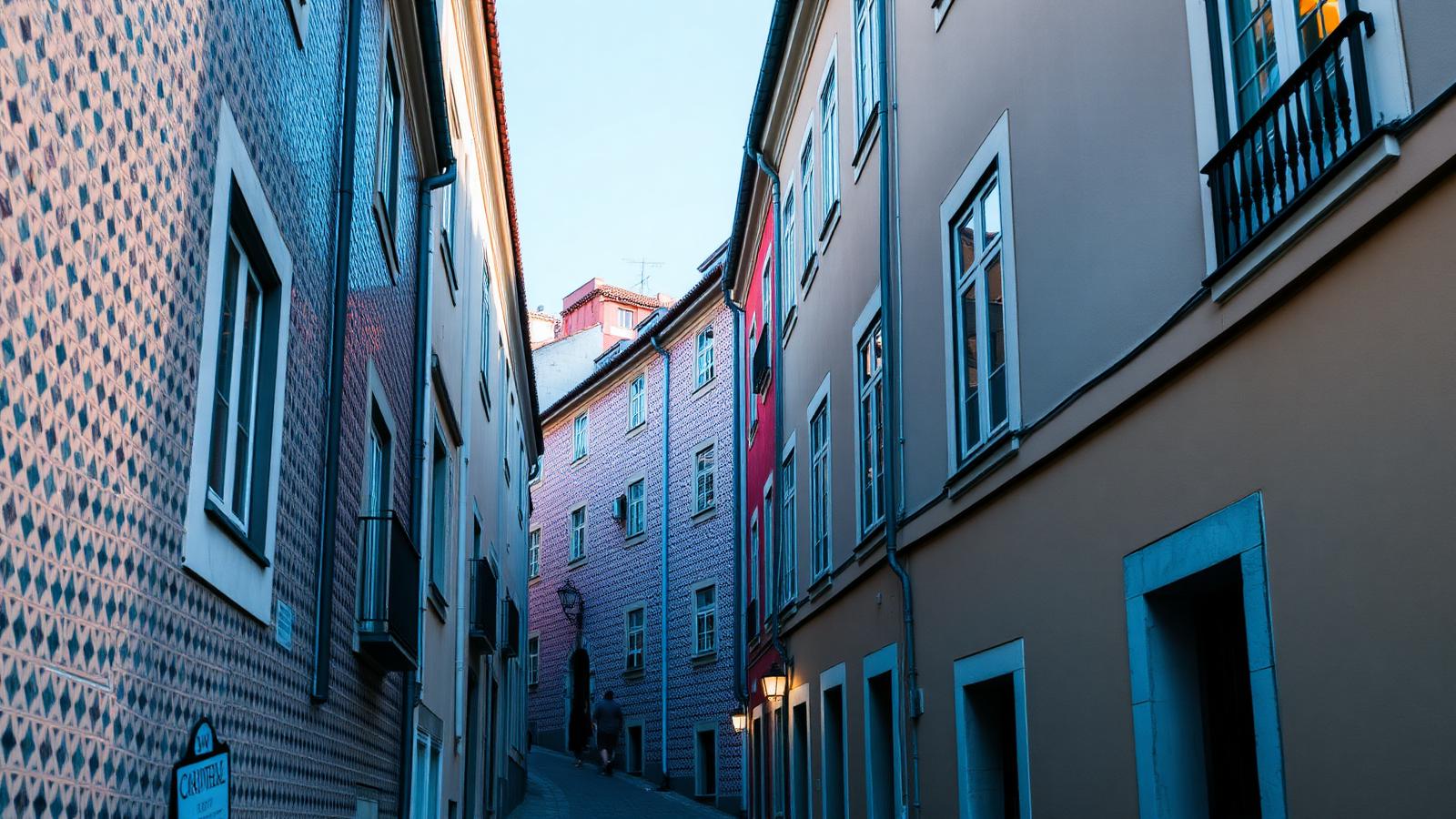
Lisbon's Slow Renaissance
A long-form dispatch from Lisbon — the tile workshops, the new wave of design hotels, and a city deliberately resisting its own boom.