
Tokyo Travel Guide: Where to Stay, What to Eat & How to Save
Neon-lit Shinjuku, slow-lane Yanaka, design hotels in Ginza — the editor's guide to where to stay in Tokyo and how to find cheap hotels in Tokyo.

Julian Thorne
Destinations Editor
Published
Jun 2, 2026
Last Updated
Jun 11, 2026
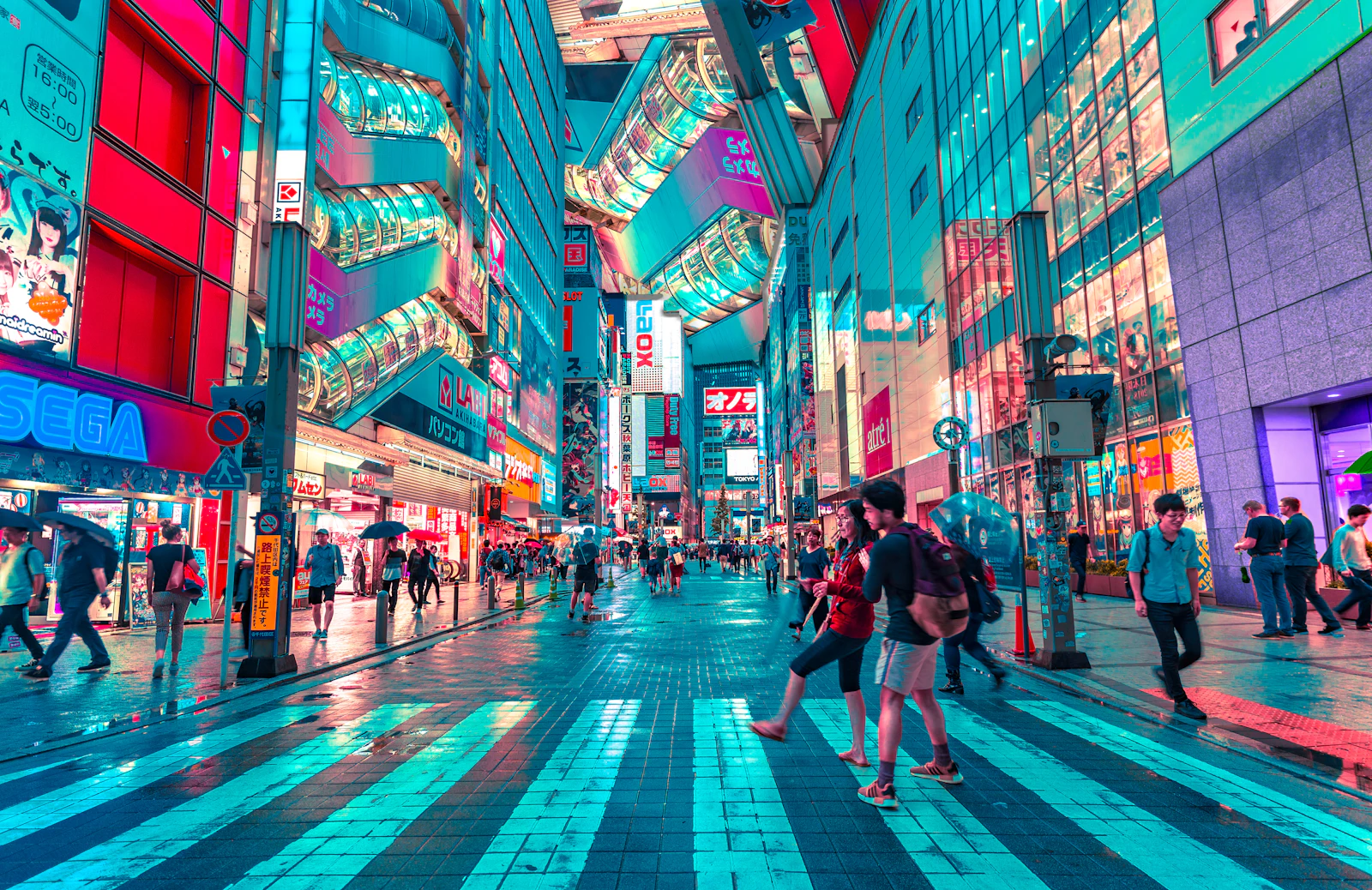
Tokyo is too big to think about as one city. Think about it as a string of neighborhoods threaded together by a single train loop, and the whole trip becomes legible. Pick a hotel on the right line, eat at the right counter, and the city stops feeling overwhelming and starts feeling like the most functional metropolis on Earth.
Subway-line thinking — the Yamanote loop
The Yamanote line is the green loop that runs roughly clockwise through every major Tokyo district — Shibuya, Shinjuku, Ikebukuro, Ueno, Akihabara, Tokyo Station, Shimbashi. A train every two minutes, 25-minute outer arc, 18-minute inner. Book a hotel within five minutes' walk of any Yamanote station and you have direct, transfer-free access to almost every major sight in the city.
The second line worth orienting around is the Ginza line (orange) — Asakusa to Shibuya through Ginza, the cultural east-west spine. A hotel near Asakusa, Ueno, Ginza, or Omotesando on the Ginza line gives you a no-transfer ride to most of the cultural sights.
Ginza vs Shinjuku vs Shibuya — choosing your base
- Ginza — refined, quiet at night, the highest concentration of three-Michelin sushi counters on Earth. Park Hyatt Toranomon, Andaz Tokyo, Aman Tokyo, Conrad Tokyo all in walking distance. Rates $450–$1,400+. The adult choice.
- Shinjuku — the cinematic Tokyo, dense, vertical, neon, with the city's biggest station as your front yard. Best access (eight lines converge), most restaurants, most relentless. The first-trip default. Hotel Century Southern Tower, Park Hyatt (the Lost in Translation hotel), Hyatt Regency.
- Shibuya — young, design-driven, the famous crossing. Walking distance to Harajuku, Omotesando, and Daikanyama. Hotel Indigo Shibuya, Trunk Hotel, the new Cerulean Tower. Best for travellers under 40.
- Asakusa — old Tokyo, traditional, a calmer evening pace, and some of the city's best-value business hotels. Trade-off: a longer subway ride to Shibuya/Shinjuku nightlife.
What a Japanese business hotel actually buys you
Western travellers often dismiss Japan's business hotels because the rooms are small (12–18 sqm). That misses the point. These rooms are spotlessly clean, excellent on every functional detail (USB ports in the headboard, room-darkening curtains, water-pressure-correct unit-baths, a clerk at the door 24/7), and priced $90–$160 a night for central locations. Mitsui Garden, Tokyu Stay, and JR Kyushu Blossom are the chains to look for. Use them for most of your nights; splurge on one or two nights at a design hotel or ryokan for contrast.
Eating well, every meal
Tokyo's best meals are at counters with under ten seats, and the booking systems are notoriously fragmented. Don't go in expecting OpenTable — most need a phone call, your hotel concierge, or a service like Pocket Concierge.
- Sushi Saito, Sushi Yoshitake, Sukiyabashi Jiro Roppongi — three-star sushi, book via your hotel concierge 6–8 weeks out.
- Den (Jimbocho) — modern kaiseki, three months out, the dish to remember is the Dentucky Fried Chicken.
- Tonkatsu Maisen (Aoyama) — the city's best tonkatsu, no booking, queue at noon or 7pm.
- Tsuta Ramen (Sugamo) — the world's first Michelin-starred ramen, arrive before 11am for a same-day ticket.
- Convenience stores — yes, seriously. 7-Eleven egg sandwich, Lawson karaage chicken, FamilyMart oden in winter. Some of your trip's best $4 meals.
A six-day plan that follows the loop
- Day 1 — Shibuya, Harajuku, Omotesando walk. Crossing at night.
- Day 2 — Shinjuku: Tokyo Metropolitan Building observatory (free), Golden Gai bars after dark.
- Day 3 — Asakusa (Senso-ji at 7am for the empty shrine), Yanaka Ginza, evening sushi in Ginza.
- Day 4 — Day trip to Hakone or Kamakura.
- Day 5 — Roppongi (Mori Art Museum), late afternoon at TeamLab Borderless, dinner counter you booked two months ago.
- Day 6 — Your own Tokyo: vintage shops in Shimokitazawa, jazz kissa in Shibuya, or coffee crawl in Kuramae.
Booking notes
Cherry blossom week (late March–early April) and Golden Week (29 April–5 May) double rates and book out 4–6 months in advance. Otherwise Tokyo rates are remarkably stable across the year. Sunday–Wednesday check-ins run 10–15% cheaper than weekends. When you're ready to book a Tokyo hotel near the Yamanote line, search by station name rather than neighborhood — it filters down to the hotels with the access pattern you actually want.
Frequently Asked Questions
Which subway line should I base myself on?expand_more
What's a Japanese business hotel actually like?expand_more
Ginza vs Shinjuku vs Shibuya as a hotel base?expand_more
Is the JR Pass worth it?expand_more
How long do I need in Tokyo?expand_more
Further reading on TravelBlogs
Sources & further authority
Ready to plan this trip?
Our editors recommend you book a Tokyo hotel near the Yamanote line with a trusted partner that compares hotel deals worldwide.
Related Reading

Bali Travel Guide
From Ubud's rice terraces to Seminyak's surf, here's where to stay and how to find cheap hotels in Bali without compromising on character.

Santorini Travel Guide
Oia sunsets, Fira nightlife and Imerovigli infinity pools — your full guide to where to stay in Santorini and how to book caldera-view hotels.

Kyoto Travel Guide
Temples, ryokan, hidden tea houses — a working journalist's guide to where to stay in Kyoto and how to find cheap hotels in every season.