
2026 Summer Travel Outlook: Where Prices Broke, Where to Go, and What Actually Changed
Three things shifted travel this summer: the new EU border system, World Cup demand spillover, and a softer dollar. Here is where prices held, where they cracked, and the five trips we would book right now.
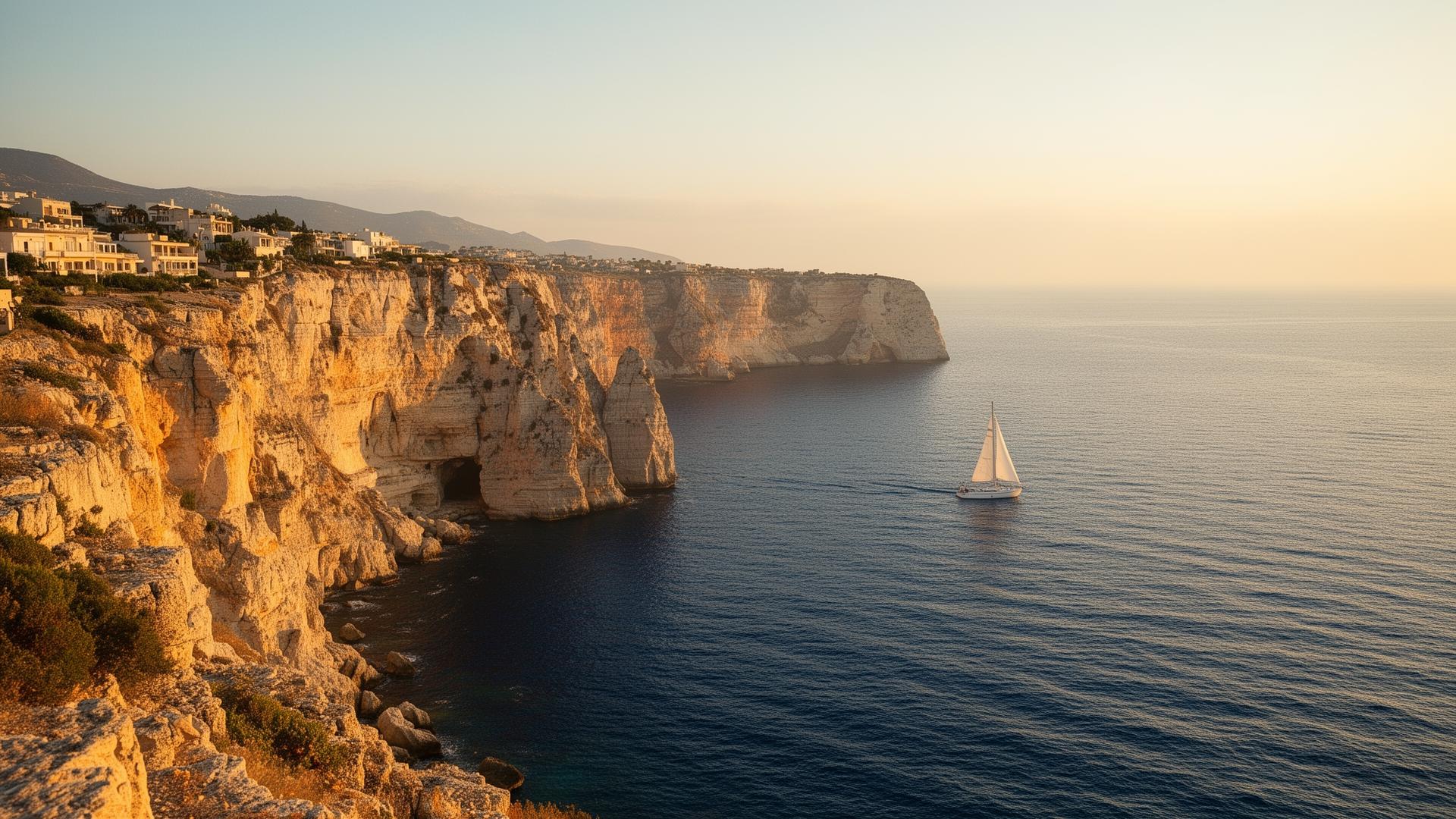
Summer 2026 is the strangest travel season we have covered in a decade. Three forces have collided at the same time — the new EU Entry/Exit System slowing down border posts across the Schengen area, World Cup spending vacuuming up hotel inventory in eleven US host cities, and a weaker US dollar quietly redrawing what feels expensive and what feels reasonable. The result is a market where the obvious destinations have priced themselves into a corner, and the smartest trips are the ones nobody is talking about — if you know where to find cheap hotels and avoid the headline cities.
This is our editors' read on where the season actually went, what we would book today, and what we would walk away from.
What actually changed this summer
The EU Entry/Exit System (EES) is live. Non-EU passport holders now have their fingerprints and a photo recorded the first time they cross a Schengen border, and the rollout has produced exactly the airport queues the airline industry warned about. The International Air Transport Association (IATA) has closely monitored these processing times to gauge the impact on global operations. If your itinerary involves a tight connection through Paris CDG, Madrid Barajas, or Frankfurt this summer, build in an extra two hours. The good news: after that first registration, return entries are faster than the old stamp system.
World Cup demand is messier than expected. The tournament was supposed to flood eleven US host cities with international fans. Some of that happened — Mexico City, Los Angeles, and Miami are running hot — but ticket prices, hotel rate caps, and a wave of new "destination fees" have pushed casual fans away. The knock-on effect is that the non-host cities (Chicago, Las Vegas, New Orleans) are quietly some of the better city break deals in the US right now. Travelers may find better value by browsing our city-guides to find alternatives to these high-priced hubs.
The dollar is softer. A traveler from New York gets noticeably less euro for their dollar than they did 18 months ago. Europe is not unaffordable, but the math has changed enough that destinations priced in non-euro currencies — Morocco, Mexico, Turkey, parts of the Balkans — feel meaningfully better value than they did last year, especially if you pair them with cheap flights to Europe booked on a flexible window. You can find more of our latest updates on global trends in our news section.
Where prices broke
Three places where supply just did not keep up:
- The Greek islands. Santorini and Mykonos are running 18–25% above last summer. Caldera-view rooms are nearly gone for July. If you have to go, our Santorini guide explains the five-night blueprint we use to keep costs in check.
- Tokyo. A weaker yen brought a record wave of inbound travelers and hotel rates are showing it. Read our Tokyo subway-line thinking before you book — the neighborhood you pick changes the trip's price by 30%.
- Mexico City. World Cup opening match, the long-running gastronomy boom, and a lot of nomad demand have pushed Roma Norte and Condesa hotel rates to genuinely New York levels on match weekends. Our Mexico City breakdown covers the avenue-by-avenue pricing tiers that still work.
Where prices held
- Lisbon. Still the best-value Western European capital. Hotel growth has barely tracked inflation. Lisbon walking guide.
- Marrakech. The dirham, the riad inventory, and the airline competition all conspire in the traveler's favor. Browse our Marrakech 72-hour plan.
- Andalusia. Seville, Cordoba, Granada — the whole circuit reads 5–10% under last year's prices in real terms.
- Bali. Villa supply finally caught up to demand. See our villa math for how to compare honestly. This region remains a favorite among those who enjoy boutique hotels vs resorts.
The new shoulder season
Late August through the first week of October is now the genuine value window in Europe. Crowds peel back, prices drop 20–30%, the Mediterranean stays warm, and the EES queues thin out. Many of these Mediterranean sites are protected by the UNESCO World Heritage Centre, making them must-visit spots during the quieter months. We are booking more September trips than ever and almost none in mid-August. If your dates have any flexibility, push the trip later — and keep an eye on last-minute hotel deals in the back half of September, when properties start discounting unsold rooms aggressively.
Five trips we would book this summer
- Lisbon + a week on the Algarve coast. Soft euro pricing and a coastline that the rest of Europe has slept on; pair it with a guest house or two of the budget hotels along the Algarve and tag it with our hotel cancellation policies primer before you commit.
- Kyoto in mid-September. Heat breaks, foliage starts, hotel rates fall back to reasonable. Kyoto guide.
- Mexico City after the World Cup ends. First week of August onwards. Same restaurants, half the hotel rate. Mexico City.
- A Morocco loop: Marrakech, Essaouira, the Atlas. Eight to ten days, riad-based, completely insulated from EES queues. Marrakech.
- Two weeks in Andalusia with a hire car. Seville → Cordoba → Granada → coast. Late September is perfect, and bundled summer holiday packages into Seville or Malaga often beat piecing it together yourself.
Three trips we would skip this summer
- Santorini in July or August. Save it for October or wait a year.
- Any host city on a World Cup match weekend unless you actually have a ticket. Hotel rates triple, restaurants ditch reservations, and ground transport falls apart.
- A first-time London visit in mid-August. Crowds peak, prices are at the top of their range, and the weather is honestly not the reason people love London. Go in May or October instead. Explore our city-guides/london for better timing alternatives.
The 2026 booking calendar
If you have not booked yet, here is the calendar we are using:
- Flights: 6–10 weeks out for shorthaul, 10–14 weeks for transatlantic. Our cheap flights guide explains the search tactics.
- Hotels: 8–12 weeks out, with one free-cancellation hold while you keep watching prices. Compare two platforms — see best booking platforms.
- Rental cars: 4–6 weeks out in Europe, longer for the US summer.
- Restaurants: 3–4 weeks out in any major European capital. Tokyo and Kyoto need 8.
A note on insurance, EES, and what to do if a flight cancels
Buy travel insurance for any international trip costing more than roughly a month's salary — full stop. Our standing rule has not changed. The new variable this summer is EES delays causing missed connections; check that your policy covers missed connection due to airport processing delays, not just airline-caused delays. According to the UN World Tourism Organization (UNWTO), ensuring traveler protection is vital as global mobility patterns shift. If a flight is cancelled, your EU261 rights still apply on European carriers and on any flight departing from the EU, regardless of your nationality.
If you take one thing from this outlook, take this: the conventional "best" destinations are mostly the worst value this summer. The interesting trips are one step to the side of where everyone else is looking. Explore our destinations page to find your next off-beat adventure.
— The Editors
Sources
- IATA — global aviation data and operational guidance — https://www.iata.org
- UN World Tourism Organization (UNWTO) — https://www.unwto.org
- UNESCO World Heritage Centre — https://whc.unesco.org