
How to Survive a Long-Haul Flight: A Frequent-Flyer Playbook
Real long-haul flight tips from editors who do 14-hour sectors monthly — seat strategy, sleep, hydration and the gear that actually works.

Priya Iyer
Senior Travel Writer
Published
Jun 11, 2026
Last Updated
Jun 11, 2026
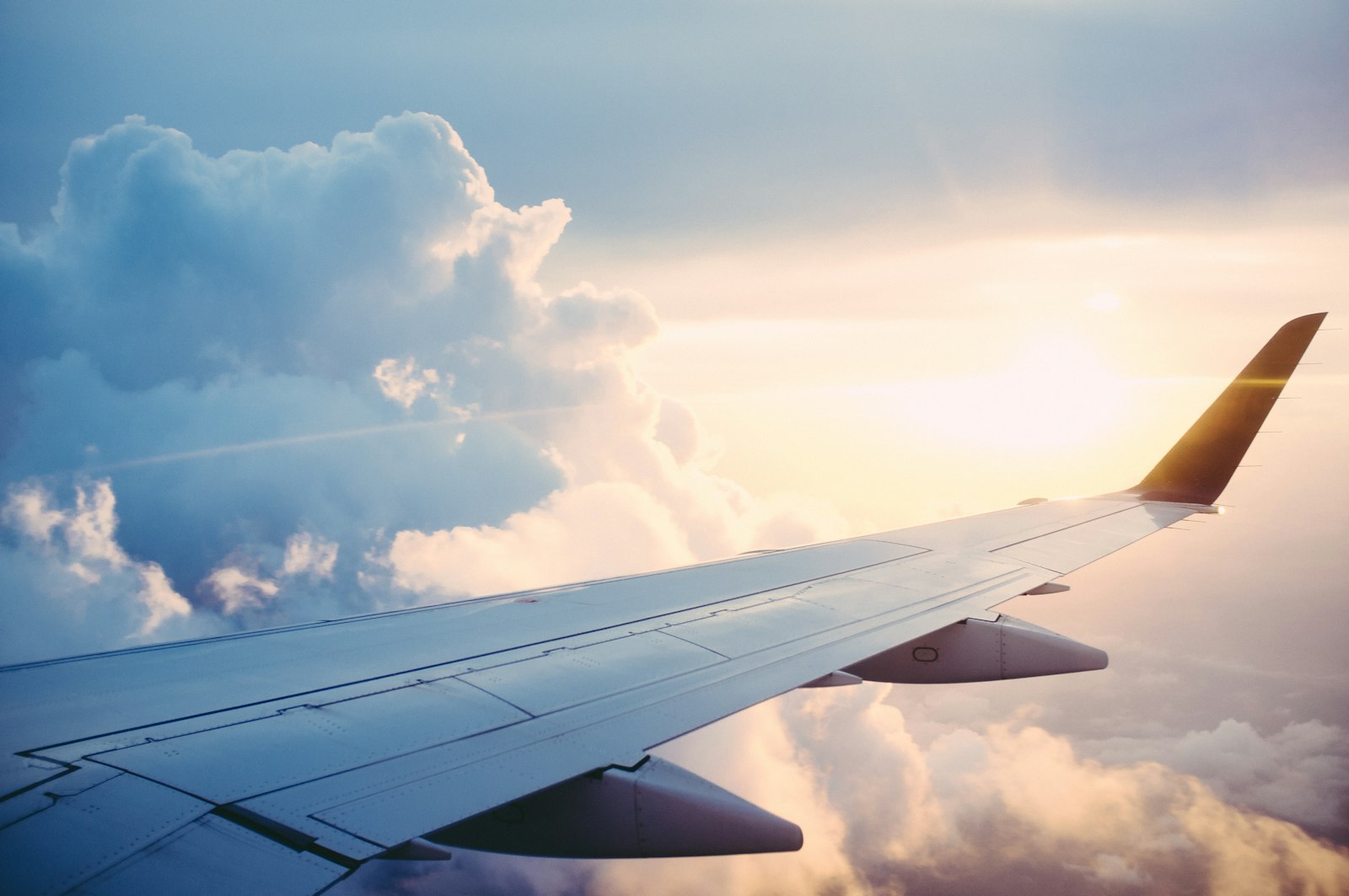
A 14-hour flight doesn't have to wreck your first three days on the ground. The difference between arriving fresh and arriving destroyed is mostly preparation — seat, sleep, hydration, gear — and a handful of small habits most travelers never learn. Here's the playbook our editors actually use.
Before you fly
Pick the right seat
- Sleepers: window seat — head against the wall, you control the shade, no aisle traffic.
- Bathroom regulars: aisle seat in the second-to-last row of the cabin (not the last row, which doesn't recline).
- Tall travelers: bulkhead or exit row, but check SeatGuru — some exit rows have fixed armrests and narrower seats.
- Always avoid: the row in front of the exit row (doesn't recline), the row in front of the bulkhead (no underseat storage), and the back row of any cabin.
Shift your clock early
Two days before the flight, start moving your sleep schedule 30–60 minutes toward destination time. The day-of, eat your last "home meal" no later than 4 hours before boarding so you board hungry. Once on board, immediately set your watch to destination time and eat/sleep on that schedule.
Pack the survival kit
- Noise-cancelling headphones (real ones, not earbuds — Bose QC, Sony XM5, AirPods Max).
- Eye mask that actually blocks light (Manta Sleep is the editor pick).
- Neck pillow that supports your jaw, not just your neck (Trtl, Cabeau Evolution S3).
- Compression socks (essential on 8h+ flights — DVT is real).
- Refillable water bottle, empty for security (fill at the gate fountain).
- Light snacks: nuts, jerky, a piece of fruit. Airline food rarely sustains 14 hours.
- Hoodie or wool layer (planes run cold at altitude).
- Phone fully charged + battery bank — long-haul seat power isn't always reliable.
- Melatonin (0.5–3mg), aspirin, lip balm, hand cream.
- A book or downloaded movies — don't rely on the IFE alone.
On board: the first 90 minutes
- Wipe down the tray, armrests, and seatbelt buckle with a sanitizing wipe.
- Set watch to destination time.
- Take off shoes immediately; put on compression socks if not already wearing.
- Put eye mask, headphones, neck pillow, water bottle in the seat pocket within arm's reach.
- Drink one full glass of water — the cabin is at 12% humidity (drier than the Sahara).
- Decide: do you sleep first or stay awake first? Match destination time.
Sleeping on a plane
The single biggest unlock is recognizing that economy isn't built for sleep, so you have to build the environment yourself. Block sensory input (eye mask, noise-cancelling headphones at low ambient noise, hood up), warm yourself (wool layer + airline blanket on top), and get horizontal-adjacent (window seat, head against the wall, knees slightly bent, feet on a footrest or a bag).
Take melatonin 30 minutes before your target sleep window. Avoid alcohol — it makes you feel drowsy but wrecks the sleep architecture and dehydrates you on top. One glass with dinner is fine; the second is the mistake.
Hydration and movement
Aim for 250ml of water per hour of flight, more than you think you need. Skip the second coffee. Get up every 2–3 hours to walk the aisle and do calf raises — DVT (deep-vein thrombosis) risk is real on flights over 8 hours, especially for tall travelers or anyone over 50.
Food strategy
Eat on the destination schedule, not the airline's. If the meal is served at the wrong time, accept the tray and save the dense parts (roll, cheese, fruit) for later. Pre- order a "special meal" online 48 hours out — they're served first and are usually fresher than the standard cart.
Landing and the first day
Get 30+ minutes of daylight within an hour of landing — single most effective anti-jet-lag intervention. Eat on local schedule even if not hungry. Avoid napping more than 20 minutes the first day. Push through to local bedtime, take 0.5–3mg melatonin, repeat for 3 nights. By night 4 you'll be on local time.
Booking habits that help
- Pick arrival times that work for sleep. Morning arrivals beat evening arrivals on eastbound trips.
- One stop can be better than nonstop if it breaks a 18-hour journey into two 9-hour segments — but only if the stopover is 2–4 hours, not 30 minutes (missed connection) or 14 hours (worse than nonstop).
- Book hotels with early check-in. A 7am hotel arrival to "your room is ready at 3pm" is the worst version of jet lag. Some properties offer early check-in for $30–$50.
- Use points/miles for premium cabins on long-haul. Business class one-way to Asia or Europe runs $4,000–$8,000 cash but routinely 75,000–120,000 miles + taxes. Worth it.
- Compare ticket types. "Basic economy" on long-haul saves $80 and costs you seat selection, bag fees, and changes. Skip it.
The shortlist
Window seat. Compression socks on before takeoff. Watch on destination time at the gate. Eye mask, noise-cancelling headphones, neck pillow, hoodie. Water every hour, no alcohol after the first glass. Melatonin at destination bedtime. Daylight on landing. Push through to local bedtime. Most of long-haul survival is this list.
Frequently Asked Questions
What's the best seat for a long-haul flight?expand_more
How do you sleep on a long-haul flight?expand_more
Are premium economy or business class worth it?expand_more
How do I beat jet lag?expand_more
Further reading on TravelBlogs
Sources & further authority
Ready to plan this trip?
Our editors recommend you book your next long-haul trip with a trusted partner that compares hotel deals worldwide.
Related Reading

How to Find Cheap Flights
17 proven tactics from working travel writers — when to book, where to search and how to stack savings to find genuinely cheap flights.

Packing Essentials
A no-nonsense international travel packing list built around a 40L carry-on — the only documents, tech and clothing you actually need.

Solo Travel Safety
Realistic, non-patronizing solo female travel safety tips from women who travel for a living — from accommodation to ground transport.