
Portugal for Digital Nomads: Your Ultimate Guide to Working Remotely in Paradise
Portugal has emerged as a top destination for digital nomads, offering a blend of vibrant culture, stunning landscapes, and a welcoming environment. This guide explores the best cities, visa options, and essential tips for remote workers looking to make Portugal their home office.
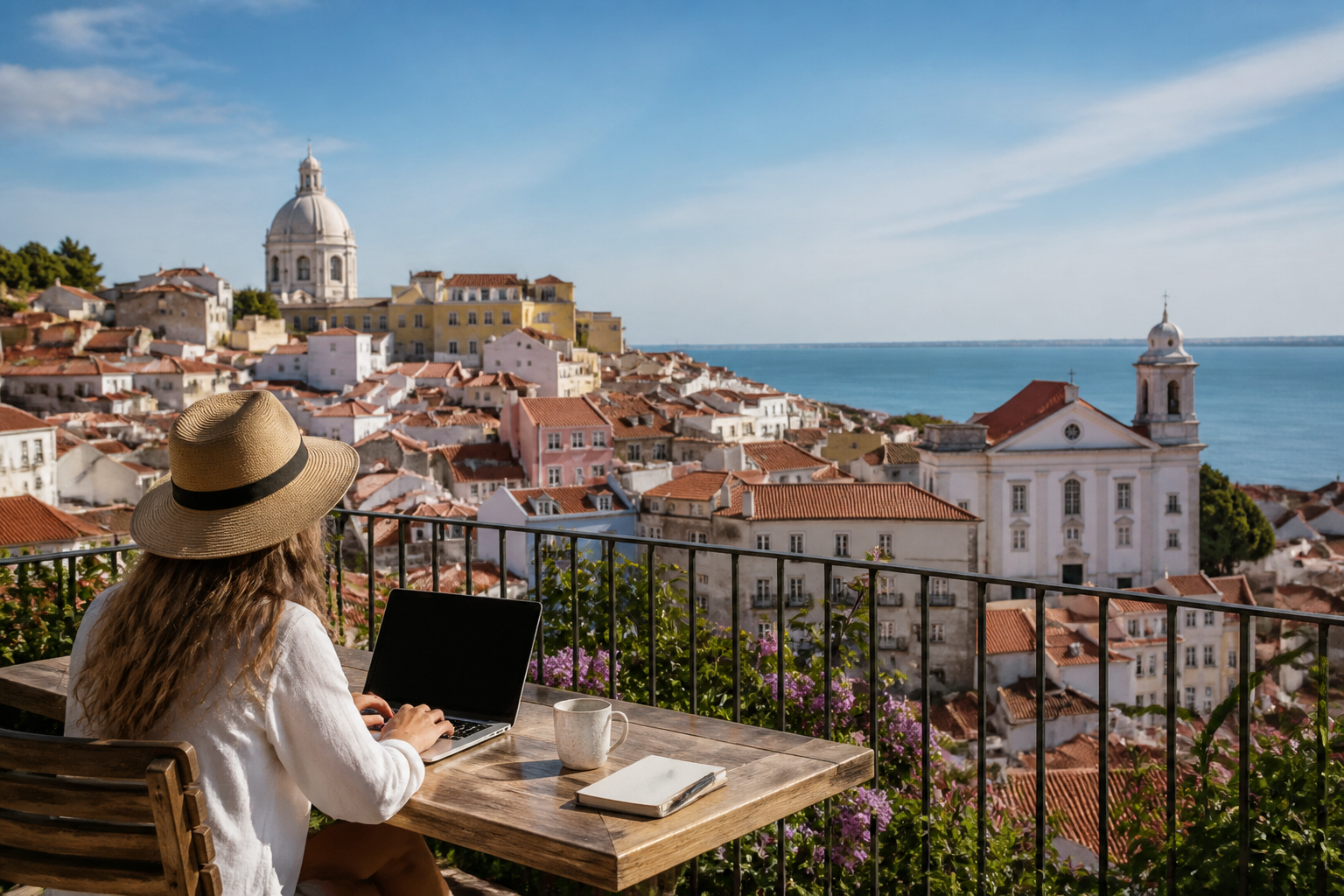
Portugal for Digital Nomads: Your Ultimate Guide to Working Remotely in Paradise
Portugal. The name itself conjures images of sun-drenched beaches, historic cities, delicious pastel de nata, and a lifestyle that perfectly balances work and leisure. It's no wonder this vibrant European gem has become a magnet for digital nomads from across the globe. With its warm climate, affordable cost of living compared to many Western European nations, and a thriving expat community, Portugal offers an enticing proposition for those looking to merge their professional ambitions with an enriching cultural experience.
From the bustling streets of Lisbon to the surf-friendly shores of Ericeira and the tranquil beauty of Madeira, Portugal presents a diverse array of environments to suit every remote worker's preference. But where exactly should you set up your remote office, and what do you need to know before you go? Let's dive into the ultimate guide for digital nomads in Portugal.
Why Portugal is a Digital Nomad Hotspot
Portugal's appeal to remote workers isn't just a fleeting trend; it's a well-established phenomenon built on several key advantages:
- Quality of Life: High safety, excellent food and wine, a rich history, and stunning natural beauty contribute to an exceptional quality of life.
- Cost of Living: While rising in popular cities, it remains relatively affordable compared to other Western European capitals, especially for those earning in stronger currencies.
- Welcoming Culture: Portuguese people are generally warm and hospitable, and English is widely spoken, particularly in urban and tourist areas.
- Infrastructure: Reliable internet, a growing number of co-working spaces, and good public transport make day-to-day life and work seamless.
- Digital Nomad Visa: Portugal was one of the pioneers in offering a dedicated visa for remote workers, simplifying the legal stay for many.
- Strategic Location: Its position allows easy access to other European countries for weekend getaways, and it offers convenient flights to the Americas and Africa.
Navigating Visas and Entry Requirements
One of the most significant draws for long-term remote workers is Portugal's clear pathway for extended stays. Unlike some countries where a tourist visa limits you to short periods, Portugal has embraced the digital nomad movement.
Portugal's Digital Nomad Visa (D8 Visa)
Launched in late 2022, the D8 Digital Nomad Visa is specifically designed for remote workers or freelancers from non-EU/EEA countries. It allows you to live and work in Portugal for up to one year, renewable for up to five years, paving the way for permanent residency. Key requirements typically include proof of remote work or self-employment, sufficient income (at least four times the Portuguese minimum wage), and health insurance. For detailed information, it's always best to consult the official Portuguese immigration services.
For those seeking long-term residency through passive income, the D7 Visa (often called the Passive Income Visa) remains an option for individuals with stable income from investments, pensions, or rental properties, who don't necessarily need to be working remotely.
Short Stays and ETIAS
For shorter visits (up to 90 days within a 180-day period), many nationalities, including US and UK citizens, can enter visa-free. However, it's crucial to note that starting in 2025, the European Travel Information and Authorisation System (ETIAS) will be required for travelers from visa-exempt countries entering the Schengen Area. This isn't a visa but a mandatory pre-travel authorization, similar to the ESTA for the US.
Top Destinations for Digital Nomads in Portugal
Portugal offers a spectrum of experiences, from bustling capitals to serene island escapes. Choosing the right base depends on your priorities.
Lisbon: The Urban Hub
Undoubtedly the most popular choice, Lisbon is a vibrant, hilly city known for its historic neighborhoods, fado music, and lively nightlife. It's a fantastic place for networking, with a huge international community and countless co-working spaces and digital nomad meetups. Expect a faster pace, a higher cost of living than other Portuguese cities, but an unparalleled cultural experience.
- Pros: Large expat community, excellent co-working facilities, extensive public transport, diverse cultural scene, international airport.
- Cons: Can be crowded, higher cost of living, hilly terrain.
If you're considering Lisbon, explore our specific guides on areas like Lisbon's best neighborhoods to find your perfect spot.
Porto: The Northern Charm
Portugal's second-largest city, Porto, offers a slightly more laid-back atmosphere than Lisbon, but with just as much charm. Famous for its Port wine, medieval Ribeira district, and stunning bridges, Porto is gaining significant traction among digital nomads seeking a more authentic Portuguese experience. It's often a bit more affordable than Lisbon, especially for accommodation.
- Pros: Beautiful architecture, friendly locals, burgeoning culinary scene, more relaxed pace, typically lower costs than Lisbon.
- Cons: Smaller expat community than Lisbon, fewer dedicated co-working spaces (though growing).
The Algarve: Sun, Surf, and Serenity
For those craving sunshine, stunning beaches, and a relaxed coastal lifestyle, the Algarve region in the south is an ideal choice. Towns like Lagos, Faro, and Carvoeiro offer beautiful resorts, fresh seafood, and ample opportunities for outdoor activities like surfing, hiking, and kayaking along dramatic cliffs and sea caves like Ponta da Piedade. Lagos, in particular, has become a hotspot, with its charming old town and lively atmosphere.
- Pros: Gorgeous beaches, outdoor activities, fantastic weather, relaxed pace, generally lower cost of living outside peak season.
- Cons: Can be very touristy in summer, public transport less extensive than in major cities.
Ready to book your stay? You can often find great last-minute hotel deals across the Algarve, especially during the shoulder seasons.
Madeira: The Atlantic Pearl
This autonomous archipelago in the Atlantic has rapidly risen as a top digital nomad destination, even establishing the world's first digital nomad village in Ponta do Sol. Madeira offers a unique blend of volcanic landscapes, lush forests, and a mild year-round climate. It's perfect for nature lovers and those seeking a quieter, community-focused remote work experience. The internet infrastructure is surprisingly robust given its island location.
- Pros: Stunning natural beauty, vibrant hiking scene (levadas), excellent climate, strong digital nomad community, tranquil environment.
- Cons: More isolated, slower pace of life, fewer direct flight options than mainland Portugal.
Ericeira: The Surfer's Paradise
If catching waves is as important as catching deadlines, Ericeira, a charming fishing village north of Lisbon, is your spot. Recognized as a World Surfing Reserve, it attracts surfers of all levels. Beyond the waves, Ericeira offers a relaxed vibe, fresh seafood restaurants, and a growing number of friendly co-working spaces and surf camps that double as accommodation for remote workers. It's a fantastic option for those who want proximity to Lisbon but prefer a coastal, active lifestyle. For great budget hotels close to the surf, a quick search will yield plenty of options.
- Pros: World-class surfing, relaxed coastal vibe, strong community, fresh seafood, easy access to Lisbon.
- Cons: Smaller town amenities, can be touristy in summer.
Setting Up Your Remote Office
Accommodation
From modern apartments in city centers to charming villas in the countryside or co-living spaces designed for remote workers, Portugal has diverse housing options. Websites for rentals are plentiful, and it's often advisable to secure a short-term rental for a month or two initially to get a feel for the area before committing to a longer lease. For those seeking cheap accommodation during their initial scouting phase, hostels and guesthouses offer excellent value.
Co-working Spaces
Portugal, especially its major cities, is well-equipped with co-working spaces offering everything from hot desks to private offices. These are excellent places not only for productive work but also for networking and connecting with fellow nomads. Many also offer community events and workshops.
Internet Connectivity
Reliable, high-speed internet is generally standard in urban areas. Fiber optic is widely available, and good mobile data plans are affordable. So, whether you're uploading large files or conducting video calls, you should have no issues.
Cost of Living: What to Expect
The cost of living in Portugal is one of its biggest advantages. While prices have risen due to increased popularity, especially in Lisbon and Porto, it remains budget-friendly compared to many other Western European nations. Here’s a general idea:
- Accommodation: This will be your largest expense. A one-bedroom apartment in Lisbon or Porto can range from €700-€1200+, but you can find more affordable options in smaller towns or further from city centers. A little research will help you find cheap hotels for a short initial stay while you search for something more permanent.
- Food: Eating out is generally affordable, especially if you stick to local tavernas (tascas) offering daily specials (prato do dia). Groceries are also reasonably priced, especially for fresh produce.
- Transport: Public transport in Lisbon and Porto is efficient and inexpensive. Inter-city travel via train or bus is also good value.
- Utilities & Internet: Usually manageable, with good internet plans often around €30-€40 per month.
Overall, a comfortable lifestyle in Lisbon or Porto might cost €1500-€2500 per month for a single person, depending on your lifestyle. In smaller towns, this could be significantly less. You can also snag fantastic holiday packages that bundle flights and stays, making your initial arrival smoother and potentially cheaper.
Embracing the Portuguese Lifestyle
Beyond work, Portugal invites you to immerse yourself in its culture. Learn a few basic Portuguese phrases – while English is common, locals appreciate the effort. Explore the historic sites, indulge in the culinary delights (don't miss bacalhau or pastéis de nata!), and take advantage of the diverse landscapes for weekend adventures. Whether you're interested in hiking in the PNPG national park, exploring the ancient megaliths of Évora, or relaxing on the golden beaches of the Algarve, Portugal has something for everyone. And for those keen on maximizing their budget, exploring some city break deals could open up more possibilities.
Final Thoughts
Portugal truly offers an idyllic setting for digital nomads seeking an enriching blend of work and life. With its progressive visa policies, thriving communities, and captivating charm, it's more than just a place to live – it’s a lifestyle. So pack your laptop, your sense of adventure, and get ready to discover your new favorite remote office spot in Europe’s sunniest corner.