
Hidden Gem Destinations in Southeast Asia for 2026: Beyond the Backpacking Trail
Escape the overtourism of Phuket and Bali with these stunning, lesser-known Southeast Asian destinations primed for authentic adventures in 2026.
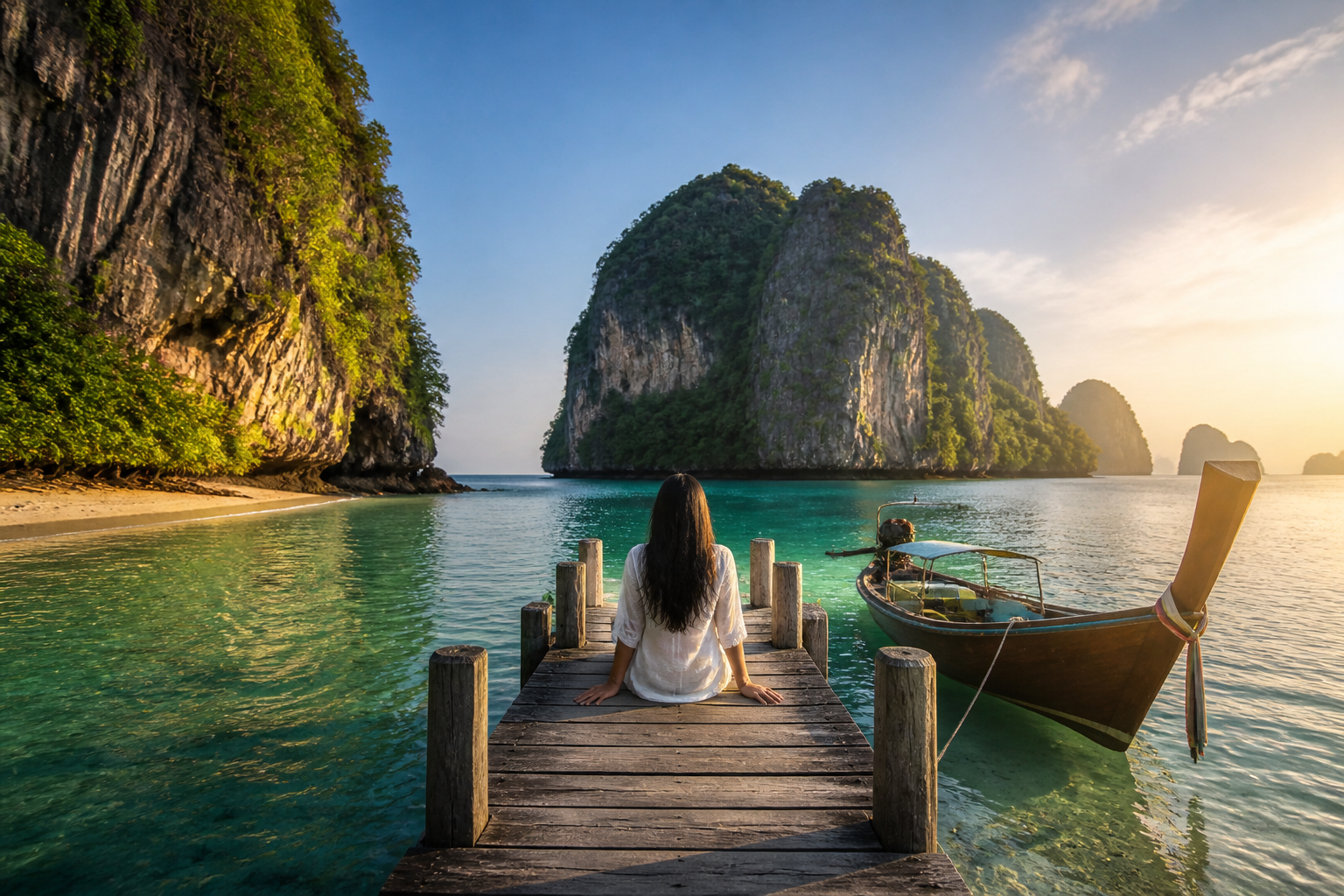
For decades, the standard journey across Southeast Asia has followed a predictable arc: landing in Bangkok, snapping sunrises at Angkor Wat, cruising Ha Long Bay, and soaking up the surf along the crowded beaches of southern Thailand or southern Bali. But as international travel surges toward record highs, seasoned travelers are seeking something increasingly rare: quiet coastlines, unhurried mountain towns, and authentic cultural exchanges untouched by tour buses.
Southeast Asia remains one of the world's most rewarding travel regions. However, traveling meaningfully in 2026 means stepping slightly off the standard trail. From mist-shrouded limestone valleys in northern Laos to forgotten granite archipelagos in Indonesia, these remarkable hidden gems reveal the soul of the region without the overwhelming crowds.
1. Nong Khiaw and Muang Ngoy, Laos: Karst Peaks and River Silence
While tourists flock in droves to Luang Prabang, heading three to four hours north along the Nam Ou River brings you into an almost prehistoric landscape of towering limestone karsts. Nong Khiaw and its even more remote neighbor, Muang Ngoy (accessible only by riverboat until recently), represent what northern Laos was decades ago: quiet, breathtaking, and deeply connected to the rhythm of the river.
What Makes It Special
The vertical limestone cliffs here rival the beauty of Vang Vieng or Guilin, but without party hostels or dune buggies. Early mornings begin with low-hanging clouds snaking through the jagged valleys while local fishermen cast nets into the glassy Nam Ou.
- Pha Daeng Peak: A steep, sweaty 1.5-hour hike rewards you with a panoramic 360-degree viewpoint that sits well above the morning sea of mist.
- Muang Ngoy Village: Stay in family-run wooden bungalows along the riverbank, explore nearby Tham Kang cave, and hike through traditional Khmu and Hmong farming hamlets.
- Slow Travel Ethos: Electricity and Wi-Fi exist here, but the real draw is disconnecting. It is one of the safest and most serene spots in the region, ideal if you follow sensible solo travel safety essentials.
If you are planning an extended trip through the Indochina peninsula, securing your budget hotels in regional transit hubs like Luang Prabang or Vientiane ahead of time makes onward rural transfers significantly smoother.
2. Quy Nhon and Phu Yen, Vietnam: The Untouched Central Coast
Central Vietnam is globally celebrated for the lantern-lit alleys of Hoi An and the historic ramparts of Hue. However, travelers who continue south along the railway line to Binh Dinh and Phu Yen provinces encounter a stretch of pristine coastline that international crowds have yet to discover.
The Coastal Frontier
Quy Nhon is a laid-back coastal city with a sweeping curved promenade, clean beaches, and a thriving street-food culture focused on fresh seafood and banh xeo tom nhay (crispy jumping shrimp pancakes). Just south lies Phu Yen, home to windswept headlands, dramatic cliffs, and fishing villages nestled under coconut groves.
- Ganh Da Dia (The Cliff of Stone Plates): A geological marvel featuring thousands of interlocking basalt columns formed by ancient volcanic activity, plunging directly into the azure sea.
- Ky Co Beach and Eo Gio: Often dubbed the "Maldives of Vietnam," Ky Co boasts translucent waters surrounded by rugged bluffs, best visited during the dry months from March to September.
- Cham Heritage: Venture inland to discover centuries-old brick towers built by the ancient Champa kingdom, recognized by historians and the UNESCO World Heritage Centre for their profound architectural significance across the Indochinese coast.
For travelers seeking sun-drenched coastal escapes without resort mega-complexes, booking custom holiday packages that combine rail journeys and boutique coastal stays in central Vietnam delivers incredible value.
3. Siquijor, Philippines: Mysticism and Marine Sanctuaries
Many island-hoppers in the Philippines dart straight between Boracay, Siargao, and El Nido. Yet nestled in the Central Visayas lies Siquijor, an island once feared by locals for its folklore of sorcery and traditional shamans (healers), which kept mass commercial tourism at bay for generations.
Traveler Tip: Renting a semi-automatic scooter is the easiest way to circumnavigate Siquijor. The 75-kilometer coastal ring road is paved, scenic, and sees minimal traffic compared to Cebu or Bohol.
Why Siquijor Belongs on Your 2026 Radar
Today, Siquijor's reputation has shifted from eerie superstition to laid-back paradise. It offers some of the most vibrant marine sanctuaries and clearest coastal waters in the archipelago.
- Cambugahay Falls: A multi-tiered limestone waterfall tucked into dense jungle, complete with natural turquoise swimming pools and rope swings.
- Tubod Marine Sanctuary: Step right off the white sandy beach with a snorkel mask to swim over intact coral gardens teeming with sea turtles and giant clams.
- Lugnason Falls and Old Enchanted Balete Tree: Experience local herbal traditions and take a dip beneath a four-century-old sacred banyan tree.
While island ferries between Dumaguete and Siquijor run daily, accommodation fills up quickly during the dry high season between December and May. Checking early for last-minute hotel deals ensures you secure beachfront lodging before inventory tightens.
4. Belitung Island, Indonesia: Granite Boulders and Turquoise Shallows
When travelers brainstorm Indonesian getaways, Bali and the Gili Islands invariably dominate the conversation. For those who want spectacular coastlines without the traffic gridlocks of Canggu, look to the east coast of Sumatra: Belitung Island. If you are comparing your options, exploring alternatives to Bali reveals that Indonesia possesses over 17,000 islands with virtually limitless variety.
An Island of Geological Wonders
Belitung rose to domestic prominence through the famous Indonesian novel and film Laskar Pelangi, yet it remains remarkably peaceful and unhurried on the international circuit. The northern coast is scattered with massive, smooth granite boulders that look like monumental modern sculptures resting on blindingly white sand.
- Tanjung Tinggi Beach: The island’s postcard location, where calm, crystalline waters sit cradled between towering granite formations.
- Island Hopping to Lengkuas Island: Home to a towering 19th-century Dutch lighthouse that still operates today, surrounded by vibrant reef flats perfect for drift snorkeling.
- Eco-Tourism and Tin Mining Rehabilitation: Visit the striking blue waters of Danau Kaolin, a former quarry transformed into a scenic lake, and witness community-led conservation efforts restoring local mangroves.
Belitung is reachable via a short one-hour direct flight from Jakarta. Reserving comfortable cheap accommodation in the primary hub of Tanjung Pandan serves as an accessible base for exploring both the northern beaches and southern mangrove reserves.
5. Isan (Northeast Thailand): The Culinary and Cultural Heart
Thailand welcomed over 28 million visitors last year, but less than two percent ventured into Isan, the country’s vast northeastern plateau bordered by the Mekong River. For travelers wanting to experience Thai culture away from commercialized resort strips, Isan is an absolute revelation.
The Real Flavors of Thailand
Isan is the ancestral home of Thailand's most beloved flavors: fiery som tum (green papaya salad), fragrant larb, sticky rice served in bamboo baskets, and grilled marinated meats. The Tourism Authority of Thailand has increasingly highlighted the region's cultural preservation and agritourism initiatives.
- Phimai Historical Park: Located in Nakhon Ratchasima province, this 11th-century Khmer temple complex served as an important architectural precursor to Cambodia's Angkor Wat, linked directly by an ancient royal highway.
- Ubon Ratchathani and Sam Phan Bok: Known as the "Grand Canyon of Thailand," this geological wonder along the Mekong River exposes thousands of sculpted rock basins and potholes during the dry season.
- Authentic Silk Weaving Villages: In provinces like Surin and Khon Kaen, master weavers continue centuries-old traditions of handcrafting intricate Mudmee silk using natural dyes.
Traveling through Isan requires basic patience and an appetite for adventure, but the rewards are unmatched warmth from locals, ultra-affordable living, and deep historical resonance.
Practical Planning Tips for Off-the-Beaten-Path Southeast Asia
Venturing beyond prime tourist corridors requires a touch more intentionality with logistics, transportation, and health preparations. Use these practical rules of thumb when mapping out your 2026 itinerary:
- Master the Shoulder Seasons: Southeast Asia's high dry season runs roughly from November through March. Visiting during the shoulder months (April to May or late September to October) offers dramatic landscapes, fewer travelers, and reduced rates, provided you check local weather patterns.
- Check Visa and Border Rules: Cross-border land crossings frequently update visa-on-arrival rules. Always consult the U.S. Department of State travel advisories or your country's equivalent foreign office before setting out.
- Cash is Still King: While digital payments and QR codes dominate Bangkok and Hanoi, remote islands like Siquijor and mountain villages like Muang Ngoy frequently experience ATM outages. Always carry enough local paper currency for rural legs.
- Stay Mindful of Scams: Even outside major tourist cities, transport markups can happen. Reviewing practical tips for avoiding tourist scams helps you negotiate fair motorbike rentals and long-tail boat charters.
- Book Major Transits Ahead: Use tested strategies to find cheap flights into gateway hubs like Bangkok, Ho Chi Minh City, Manila, or Jakarta before connecting to secondary domestic airports via regional carriers.
When organizing complex overland routes across developing areas, knowing where to find cheap hotels near transit hubs or regional railway stations gives you a dependable safety net when journeys take longer than expected.
Southeast Asia's Next Chapter
The magic of Southeast Asia is not fading; it is simply shifting into the places where life continues at an organic pace. By bypassing overcrowded hotspots in favor of quiet river bends, secluded islands, and culturally proud rural provinces, you not only enjoy a richer travel experience—you also help distribute tourism dollars to local communities that benefit most from your visit. Start charting your 2026 route today.